

Adult Swim Lessons
& Fitness Coaching
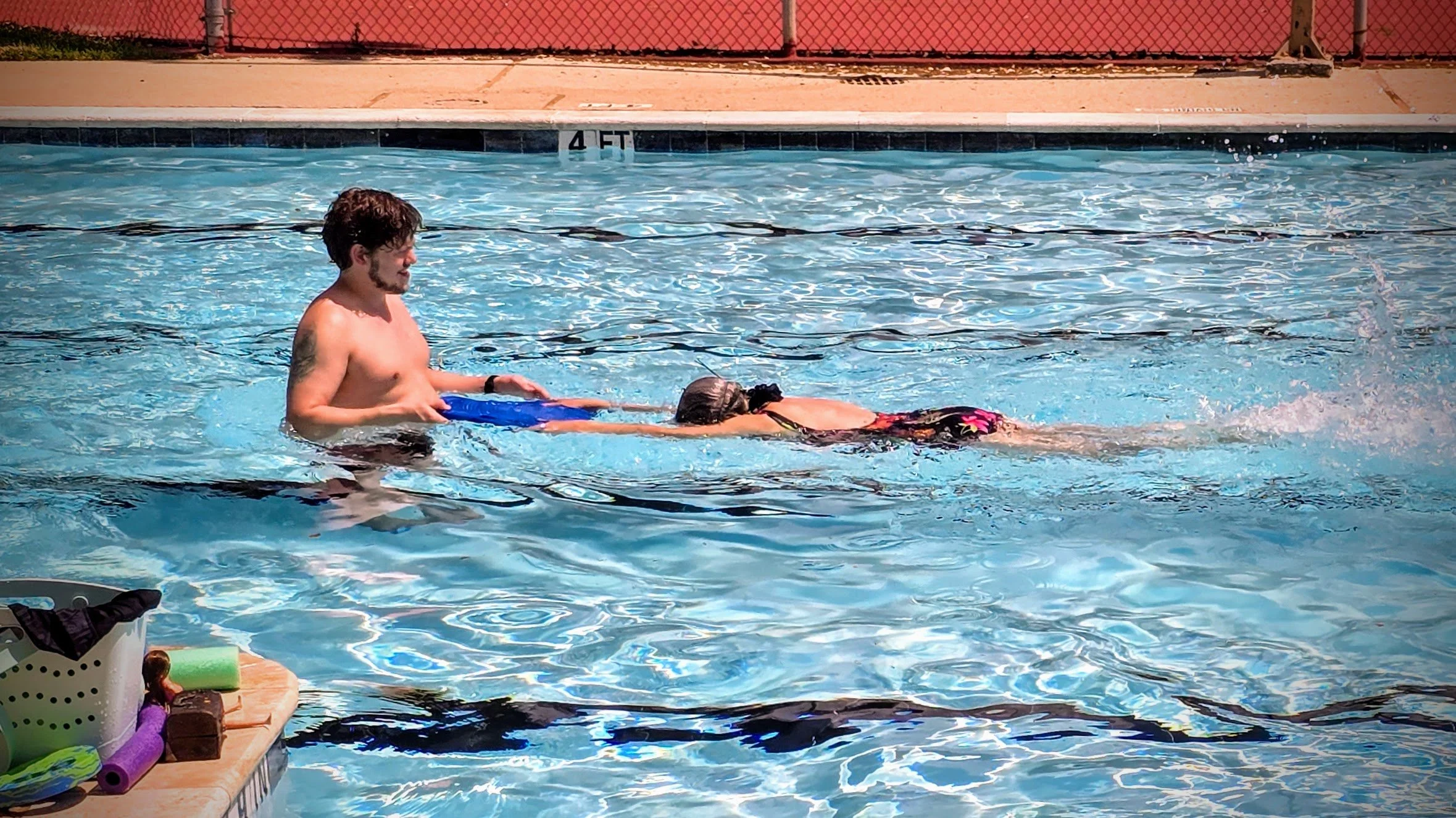
Private swim coaching for late starters, masters swimmers, triathletes, and people who think swim has to feel difficult. It doesn’t.
Coaching swim privately since 2010, with adult clients as old as 96.
Find your streamline, swim with ease.
Rates:
Private Individual 1:1 sessions
60 minutes — $120
Scheduling is offered on a first-come, first-served basis, with limited openings each season.
Travel is included for clients located within a 15-mile radius of David’s home base.
Sessions may be held at homes or approved community pools, provided that the client has confirmed guest access for instructor entry.
Please note: community pool sessions are not available on major holidays due to anticipated crowding and reduced session privacy.
For adults, some sessions may be held at select gym locations; ask for details.
Payment: cash, Zelle (david@cdswims.com), most major credit and debit cards.
Cancellation: 24 hours notice please. Exceptions for severe weather, sudden illness, emergencies.
For more logistic details, please check the FAQ page
Three kinds of adults often end up here:
Late-starters:
Adults who never learned, or who grew up without pool access, or who avoided the water for twenty years and are ready to try again.
The oldest student I ever taught was a tenured University of Texas professor who decided at eighty to do one new thing every year for the rest of his life.
At ninety-six it was swimming. It’s never too late to try.
Swimmers looking for refinement:
Masters swimmers, triathletes, lap swimmers, adult-onset learners who have been swimming for years but are stuck on the same plateau. Usually because nobody has actually seen them clearly. We fix that.
Fitness swimmers:
Adults using the pool for cross-training, recovery from a land-sport injury, stress, or cardio. We build a stroke that lasts and does not hurt, and we pace the workload to your life.
What adults often need to learn:
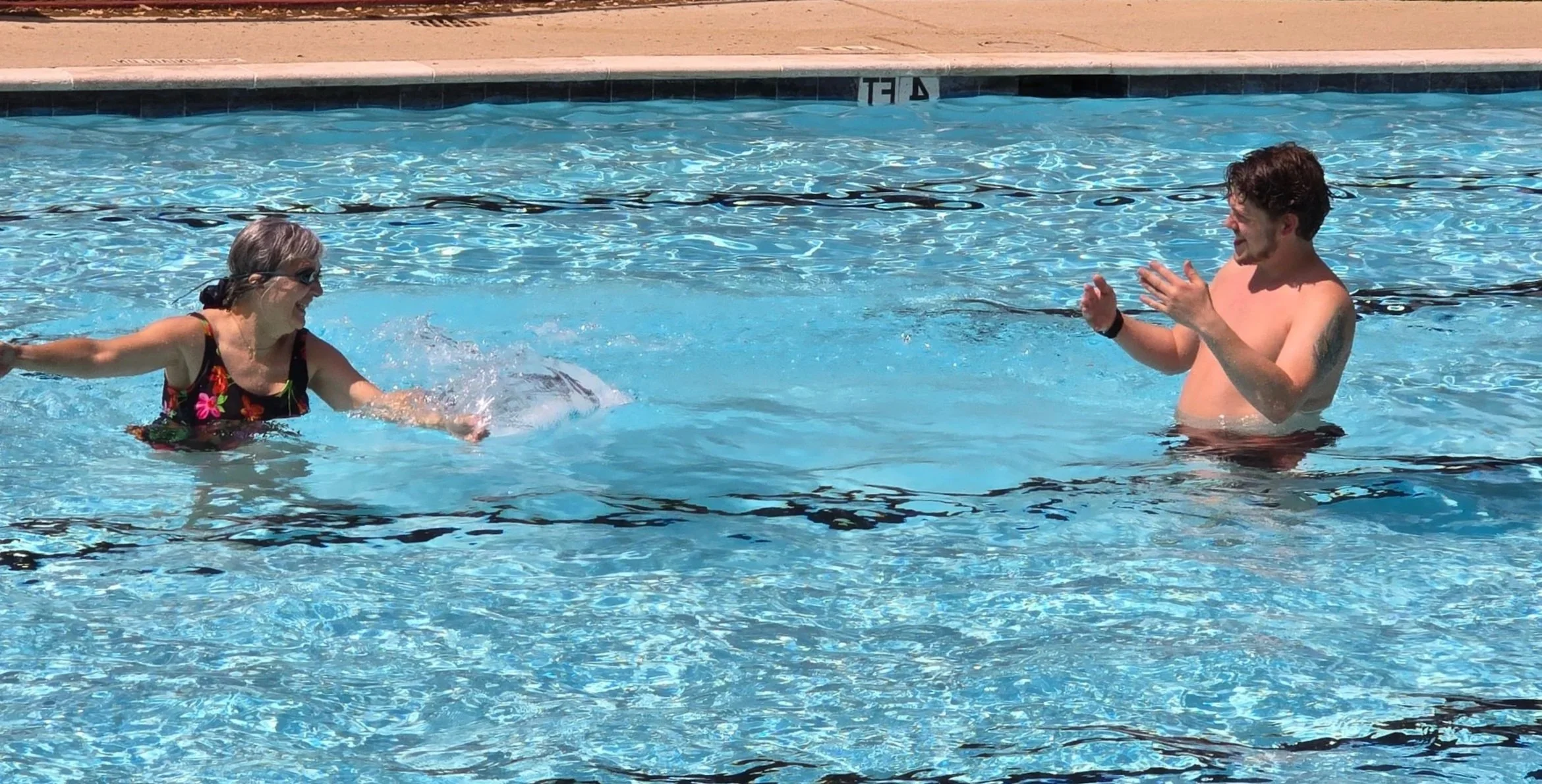
Many adult swimmers I work with arrive convinced their cardio is the problem, or that they are too old, or that they should already know this. Usually none of those is the actual issue. The fatigue, the awkward stroke, the feeling that swimming is harder than it should be: it’s almost always coming from something small no one has slowed down to look at carefully yet.
A few of the things we tend to work on:
Awareness as the foundation.
Swimming asks you to track your whole body, your breath, and the water at the same time. Many adults never get past stroke mechanics because the awareness underneath was never taught.Swimming should feel easy at slow speeds. Yes, even butterfly (…barely for butterfly).
If swimming feels like hard work when you’re not pushing pace, something specific is off. I’ll find it and coach you through it.Muscle tension and body stiffness makes you sink.
Relax first so you can float. Then build the streamline glide. Then add the stroke.Streamline means keeping your neck and spine in line so you can glide. For freestyle, keep your chin down and kick near the surface. Your arms and legs propel your streamline. If your streamline is wobbling or bent, your kicks and stroke have nothing to push against. Hold the line and the rest aligns.
Both halves of the breath.
New swimmers often focus on the inhale. The exhale matters just as much, often more, because CO2 buildup is what actually makes you feel like you can’t breathe.
You have to completely empty your lungs before it’s time to breathe in!The shape of the inhale matters too. An open throat (an "OHH" sound) moves much more air than a constricted, sucked-in one (a "HHEH" sound).
That single fix has changed a swimmer’s endurance in one lesson.
No two swimmers need the same lesson. The bullets above are just common starting points.
The order, weight, pace, and explanation get rebuilt for you.
Are you training for a race?
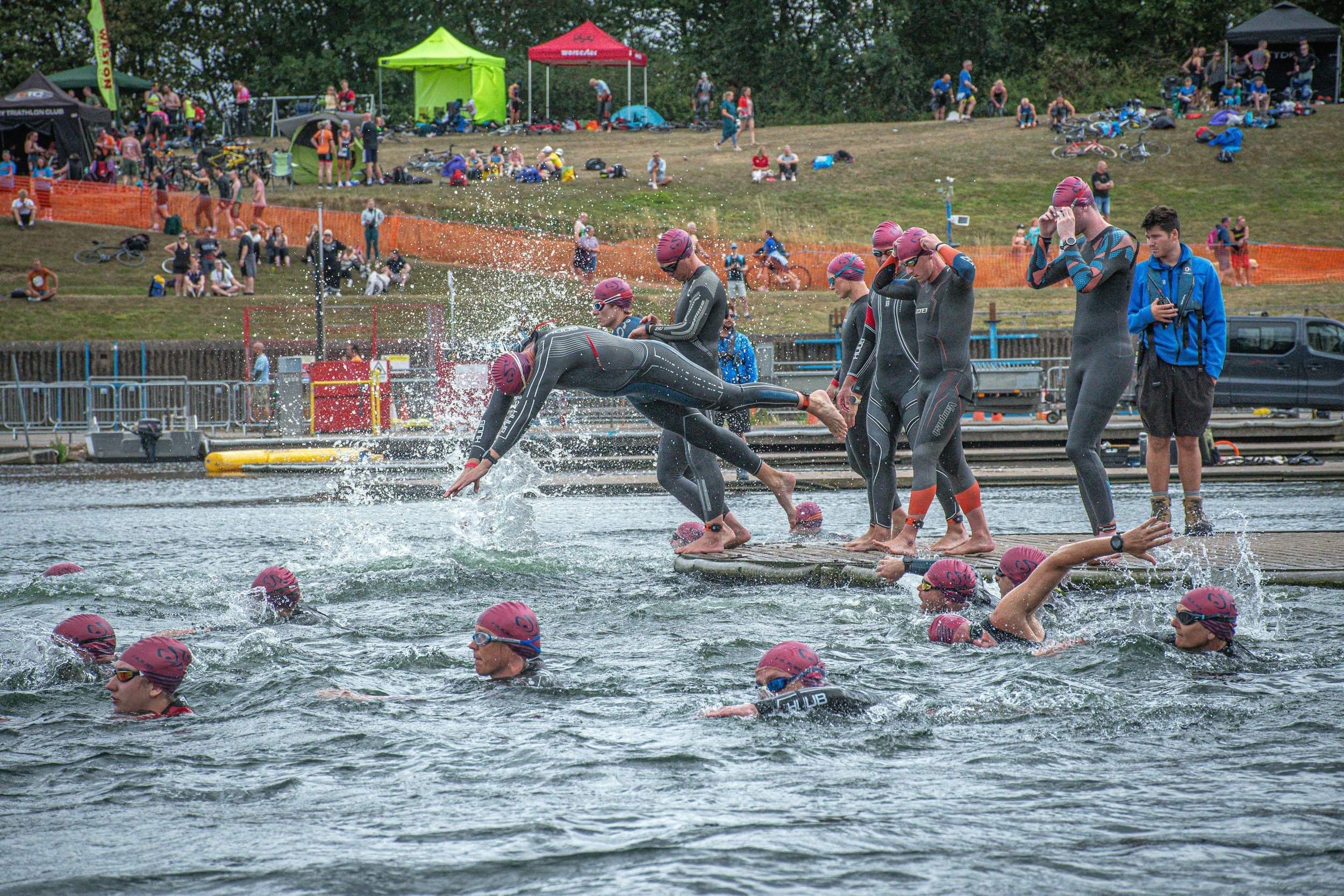
Triathlon swim is its own animal. Open water with other swimmers all around you, a wetsuit changing your buoyancy and posture, and race-day conditions which aren’t what you trained in. I work with triathletes on:
Freestyle efficiency. The main stroke for triathlon.
Bilateral breathing.
Open-water sighting.
A stroke that doesn’t cook your legs for the bike.
Race-day confidence.
If your triathlon swim is your weak leg, that can change before your next race.
When you’re ready:
If you would rather try virtual first and see what a full stroke breakdown looks like before committing in-person: